What Does OSHA Require for Handwashing on a Job Site?
The rule that trips people up is 29 CFR 1910.141(d)(2): a washing facility needs soap and either towels or a hand-drying device. Hand sanitizer alone does not satisfy it, no matter how many bottles you scatter around the trailer. That single line is the whole standard for washing facilities in general industry, and it applies whether you're running a warehouse crew or a five-person crew finishing a remodel job in Spring Valley.
If your crew is applying paints, coatings, herbicides or insecticides, a second rule kicks in. OSHA 1926.51(f)(1) requires washing facilities specifically because of those contaminants, separate from the general sanitation duty. It's not a blanket handwashing mandate for every job site, but if your painters or pest crews are out there, you need to plan for it. Pair that with the toilet count under OSHA 1926.51(c), which sets one toilet for 20 workers or fewer, scaling up from there. Most Spring Valley job sites end up ordering a standard portable toilet and a wash station together, since the two obligations usually apply to the same crew at the same time.
Farm operations fall under a different rule. OSHA 1928.110 requires potable water, toilets and handwashing within a quarter mile walk of hand-labor employees, one facility per 20 workers. If you're running farm and agricultural restrooms out past Spring Valley's edge, that quarter-mile distance matters more than it sounds.
How Many Handwashing Stations Does a Job Site Need?
There's no single number pulled from a table the way toilet counts work. Instead, ANSI/PSAI Z4.3 sets the baseline service interval at one visit per week for up to 10 users over a 40 hour week, and that's a reasonable starting point for sizing out how many units you need relative to crew size. A 15-person framing crew running standard hours fits comfortably behind two stations serviced on that same weekly cadence.
Spring Valley sites with tighter footprints, like infill lots near Summerlin South (6.3 miles northwest), often can't fit a full portable sink rental lineup and end up combining a smaller wash station with a handwashing station rental sized for the crew count instead of the square footage. Larger commercial builds closer to Las Vegas (10.9 miles north) tend to have room to spread stations out along the fence line, which cuts walk time and keeps the line moving during lunch breaks. If you're not sure which setup fits, the porta potty placement guide covers spacing logic that applies to wash stations too.
Do Portable Sinks Meet the OSHA Standard?
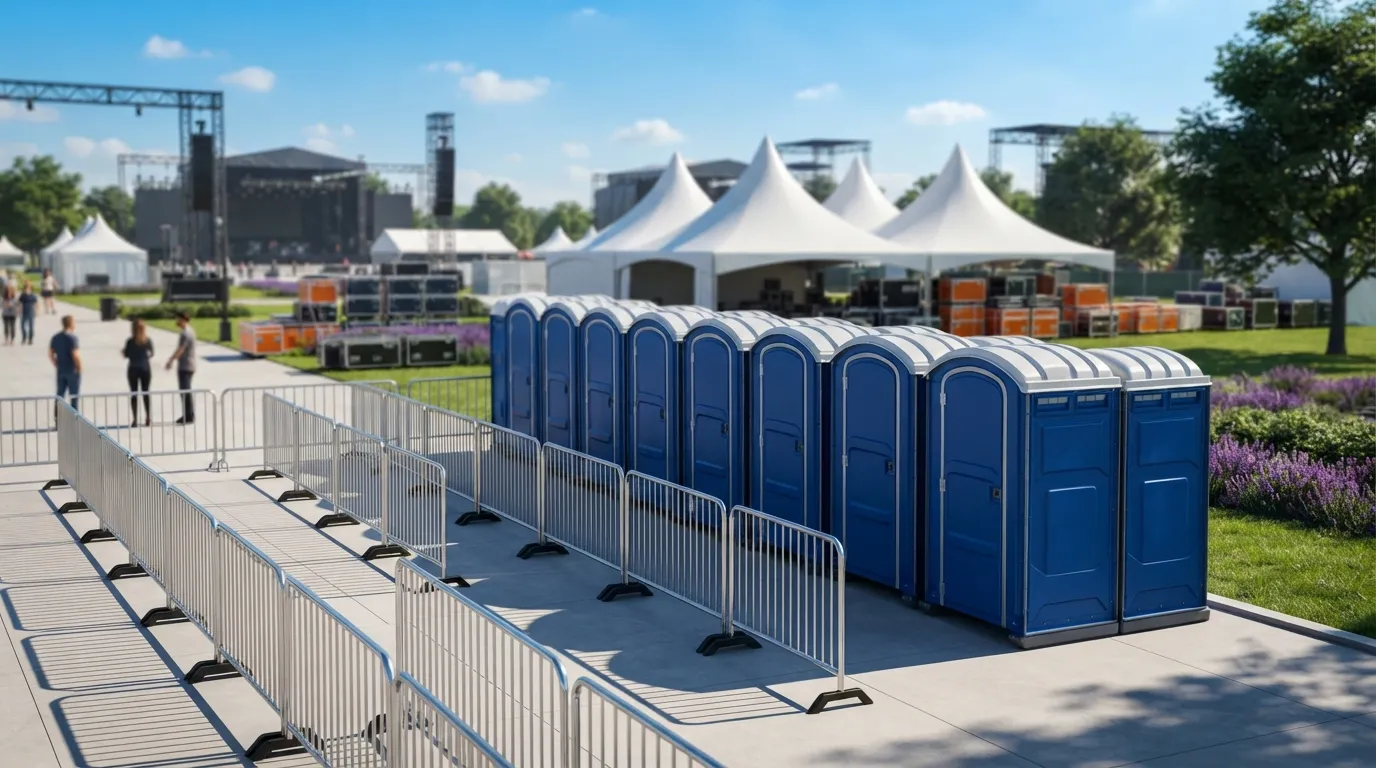
Yes, as long as they carry soap and a towel or drying device, per 29 CFR 1910.141(d)(2). A self-contained portable sink with a foot pump or gravity-fed tank satisfies the requirement the same way a plumbed sink does. What it can't be is a bottle of sanitizer zip-tied to a fence post. Inspectors look for the soap and drying method specifically, not just the presence of water.
If your project also needs potable water more broadly, OSHA 1926.51(a)(1) requires an adequate supply of potable water at all places of employment, which is a separate obligation from washing facilities but usually gets solved with the same delivery. A portable sink rental from Spring Valley Porta Pros arrives with both covered, tank filled and soap loaded. For crews that only need something lighter, a hand sanitizer station rental can supplement but shouldn't replace the sink where the standard applies.
Restaurants and food trucks operating in Spring Valley have their own version of this question, usually tied to health permitting rather than OSHA. If that's your situation, pair your wash station order with a look at grease trap pumping timing, since kitchens tend to need both services on the same schedule.
Where Should Handwashing Stations Be Placed on Site?
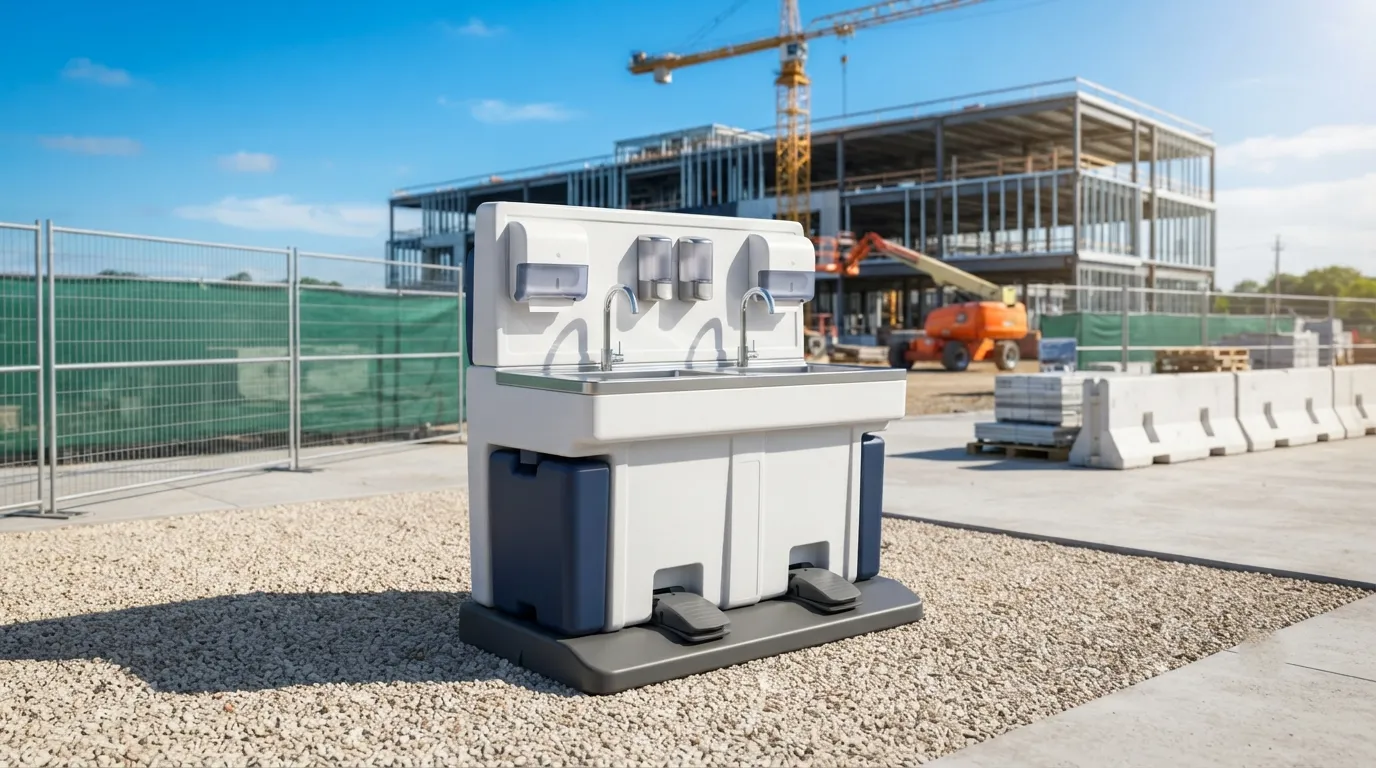
Right next to the toilets, and close enough to food or break areas that people actually use them instead of skipping the walk. ADA Standards section 403.5.1 requires a minimum 36 inch clear width on the accessible route leading to any station, and section 302.1 requires the ground surface underneath to be stable, firm and slip resistant, which matters on the gravel and dirt lots common around Spring Valley construction sites.
For events, placement rules shift slightly. A wedding at a venue near Enterprise (10.0 miles south) or a festival closer to Winchester (11.6 miles east) needs the wash station visible and unobstructed, not tucked behind a tent where nobody finds it. Check the porta potty rental checklist before locking in your layout, and if you're running an event restroom rental package, the wash station should sit inside the same footprint as the restrooms, not off on its own.
Do I need a permit for a handwashing station in Spring Valley?
Placement in the public right of way needs confirming with the City of Spring Valley before delivery. We don't guess on this. Check the porta potty permit requirements page or call before your event date so delivery isn't delayed by a placement issue.
Can hand sanitizer replace a handwashing station?
No. 29 CFR 1910.141(d)(2) requires soap and towels or a hand-drying device, and sanitizer doesn't meet that. A hand sanitizer station rental works as a supplement near entrances, but it can't stand in for the sink where the standard applies.
How often are handwashing stations serviced?
ANSI/PSAI Z4.3 sets a baseline of one service visit per week for up to 10 users over a 40 hour week. Higher headcounts or heavier use need more frequent visits, which we scale based on your crew size.
What's the difference between a handwashing station and a portable sink?
Not much in practice. Both need to carry soap and a towel or drying device per 29 CFR 1910.141(d)(2). The terms get used interchangeably; see portable sink rental for unit specifics.
Does my construction site need both a toilet and a handwashing station?
Usually yes. OSHA 1926.51(c) sets toilet counts by crew size, and washing facilities are a separate requirement under 1910.141(d)(2). Most Spring Valley crews order both together through construction site services.
Next step
Get a delivery date
Tell us the address, the dates and the headcount. We size the order and confirm the route.